
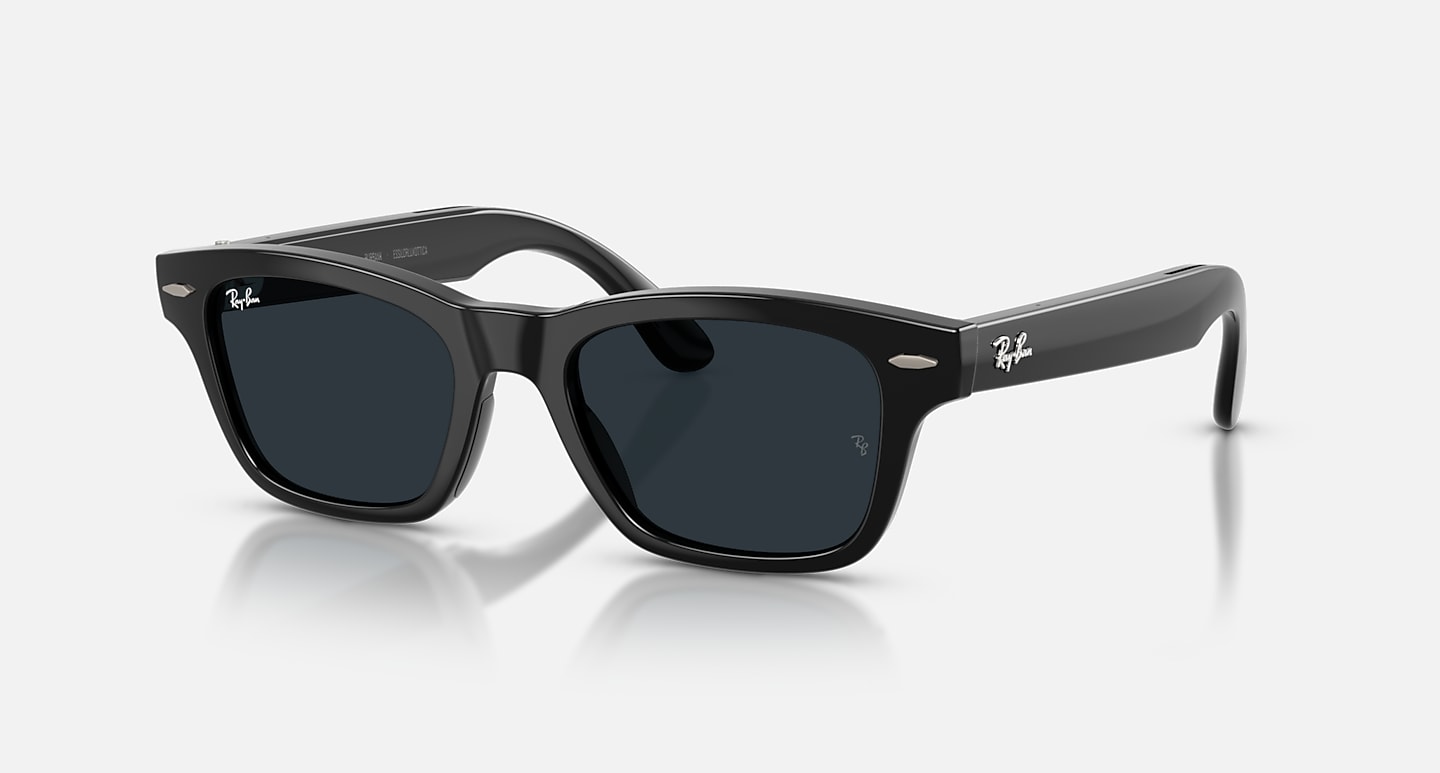
For all the talk about AI glasses, the feature that determines whether people welcome them is often the one the wearer never uses: the camera. Meta’s Ray-Ban Meta Audio takes a notably direct route around that tension. The new $349 glasses play music and podcasts, take calls, run a voice assistant and translate conversations, but have no camera for photos or video.
That makes them less ambitious than a camera-equipped smart-glasses computer—and potentially more usable in the places where that ambition has become socially expensive. A café, shared office or family gathering does not need to wonder whether it is being filmed. The wearer still gets open-ear audio and a hands-free interface; everyone else gets a much clearer boundary.
Meta announced the glasses at Connect on September 23. Pre-orders are open, and the company says US shipments begin October 13. The key caveat is equally plain: removing the camera removes visual AI. These are not display glasses, navigation glasses or a substitute for a phone camera.
What changes when the camera goes away
| Ray-Ban Meta Audio | What it means in practice | What it cannot do |
|---|---|---|
| No camera | No photo or video capture from the frames | Show an assistant what you are looking at |
| Open-ear speakers and microphones | Music, podcasts, calls and voice requests without earbuds | Create a private listening bubble in a loud place |
| Up to 12 hours claimed battery life; up to 48 more from the case | A longer claimed day than Meta’s camera glasses | Guarantee that result with heavy streaming or assistant use |
| 43 g frame, adjustable temple tips and nose pads | A more plausible all-day glasses form factor | Replace a proper fit check or prescription consultation |
| Clubmaster and Burbank frames; 23 color/lens combinations | Choice that looks closer to ordinary eyewear | Add a display or camera later through software |
Those specifications come from Meta, and the “up to” battery figures should be treated accordingly. TechRadar’s brief hands-on found the new fit adjustments promising but correctly noted that a short demo is not an all-day battery or comfort test. WIRED and TechCrunch independently confirm the basics: this is a camera-free, audio-first model priced from $349, not a stealthy revision of the existing capture glasses.
Privacy is the product feature
Meta has previously tried to make recording more legible on its camera glasses with an indicator light and tamper protections. Those are sensible safeguards, but they still ask bystanders to recognize a device, notice a light and trust its operation. Ray-Ban Meta Audio takes a different approach: there is no image sensor to supervise.
That does not mean the glasses become invisible to privacy questions. A microphone can still collect audio for calls, commands and assistant features. Wearers should be deliberate before using voice functions around confidential conversations, and organizations with device policies will still have rules to consider. But audio capture is a narrower and more familiar risk than wearable video. The distinction matters in environments where the mere possibility of casual filming makes people uncomfortable.
It is also a better design answer than pretending every pair of glasses must be an always-on camera. The camera-first Ray-Ban Meta Gen 3 offers 12 MP capture and 3K video for people who want that capability. Meta’s new VR Glasses chase another kind of immersion entirely. Meta Audio has a smaller, clearer job: be a good pair of audio glasses that can also answer a question or handle a call.
The trade-off is real—and healthy
The $349 starting price is not trivial for audio hardware without a display. Good earbuds cost less, are easier to share across a household and generally isolate sound better on a train or plane. The glasses also cannot use visual context for AI tasks, which is the main reason some people tolerate the camera in the first place.
Yet that limitation makes the product easier to judge. If you already wear glasses and want music, calls, translation and occasional voice assistance without another object in your ears, Meta Audio could be compelling. If you want first-person video, visual search or an assistant that sees the world, it is explicitly the wrong model.
The more interesting test starts after launch: whether a camera-free pair is welcomed in places where camera glasses are viewed warily. If it is, Meta will have shown that smart glasses do not need to maximize sensing to be useful. Sometimes the more mature wearable is the one that chooses not to record.
Bottom line
Ray-Ban Meta Audio is a welcome act of restraint. It gives up the flashy feature in exchange for a more credible everyday proposition: audio, calls and assistant help in familiar-looking frames that cannot take someone’s picture.
Wait for independent battery, call-quality and prescription-fit reviews before buying. But as a product direction, this is sharper than a generic “AI everywhere” pitch. The glasses make a specific promise to the wearer and a reassuring one to everyone nearby—and both promises are easier to keep without a camera.