
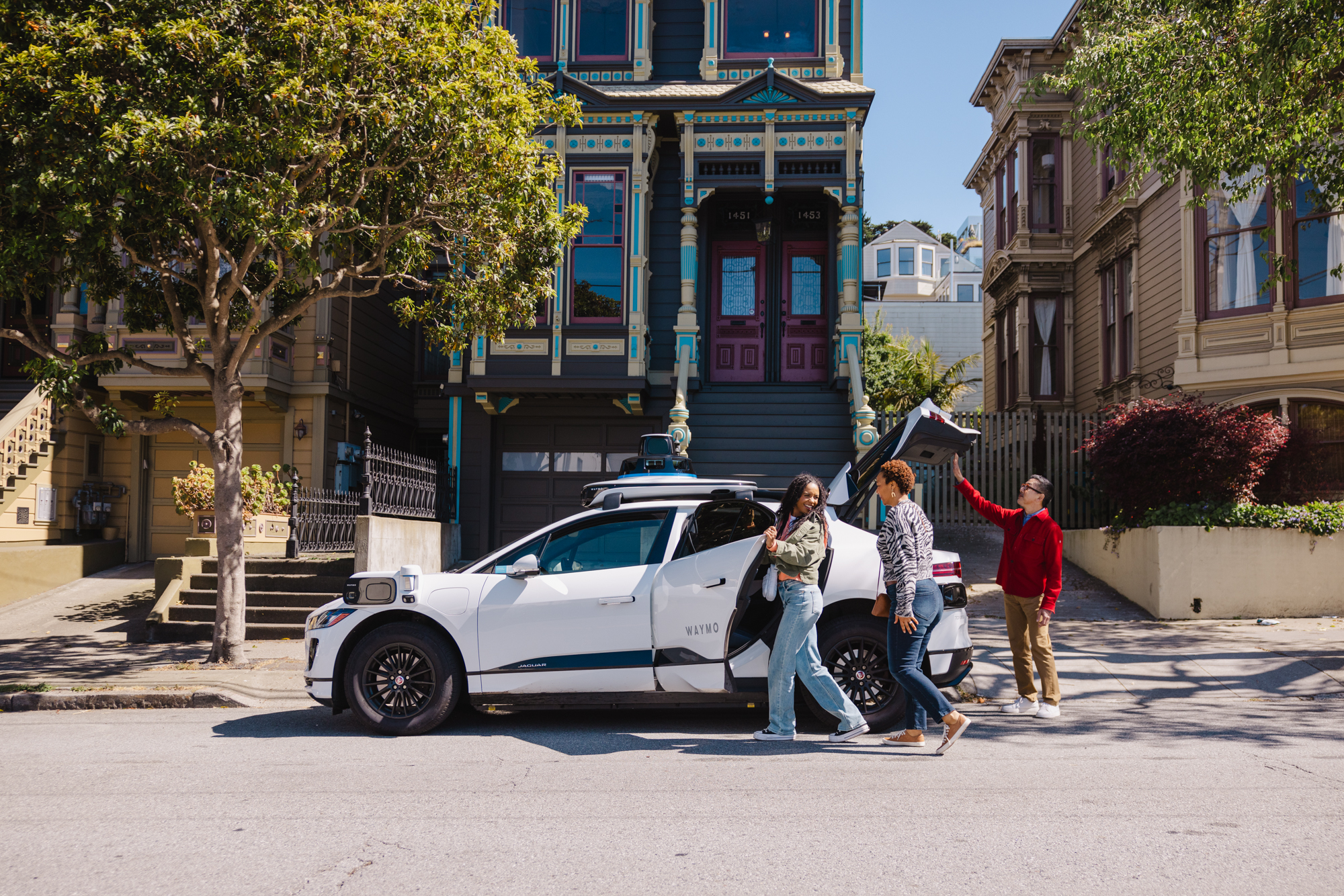
Waymo did the sensible thing in San Francisco: it paused, assessed and resumed.
According to TechCrunch, Waymo said its robotaxi service resumed after the company made temporary adjustments during a San Francisco power outage on July 18. The company first said it was monitoring local conditions, then added that it paused service for about an hour to assess the scale of the outage and coordinate with local officials.
That is not a scandal by itself. In fact, it is probably what riders and city officials should want when traffic lights go dark and normal street rules suddenly become less normal.
GearPulse’s read: the pause matters because robotaxis have crossed from novelty into city infrastructure. Once a fleet is large enough to shape traffic during outages, fireworks nights and emergency scenes, “the car can drive safely on a normal Tuesday” is no longer the whole promise. The fleet has to understand when the city is no longer behaving like a normal Tuesday.
A good pause can still reveal a bigger problem
Waymo’s official materials are confident for good reason. The company calls the Waymo Driver its autonomous system for pickup-to-destination control, describes redundant backup power for critical driving systems, and publishes a safety impact hub comparing rider-only crash rates against human-driver benchmarks.
Those claims matter. Crash reduction is the core safety case for robotaxis, and Waymo has been more transparent than most rivals about safety methodology.
But a power outage tests a different layer of the system. The question is not just “does the car avoid hitting things?” It is “does the service behave like a helpful part of the city when the city is under stress?”
| Normal robotaxi metric | Outage or crowd-event metric |
|---|---|
| Collision rate | Can the fleet avoid adding gridlock? |
| Passenger trip completion | Can the system pause gracefully before trouble spreads? |
| Vehicle autonomy | Can remote operations and city agencies coordinate quickly? |
| Route efficiency | Can the fleet recognize that traffic signals, pedestrians and closures have changed the rules? |
That is why this one-hour pause is relevant. It suggests Waymo knew the right immediate move was to reduce exposure while it understood the outage. It also reminds everyone that the winning robotaxi company will need operational judgment, not just better perception.
San Francisco is becoming the hard exam
San Francisco is a brutal place to prove autonomy because the city keeps offering edge cases.
Steep streets, dense cyclists, construction, emergency vehicles, nightlife, tourists, double-parked delivery vans and sudden event traffic are hard enough. Add a power outage or a major crowd release after fireworks, and the road network becomes a coordination problem.
Recent reporting has already put Waymo under pressure in the city. TechCrunch and Business Insider both covered Mayor Daniel Lurie’s push for tougher state rules after Fourth of July disruptions involving Waymo vehicles. The mayor’s argument, in simple terms, is that autonomous vehicle companies should prove they can handle major incidents before operating through them at scale.
That position is not anti-technology. It is the normal standard cities apply to infrastructure that can block streets.
Waymo can fairly argue that humans also fail during outages. Human drivers block boxes, ignore dark signals, panic, run out of charge and make selfish turns. But robotaxis are not judged as individual drivers. They are judged as coordinated fleets. That raises the standard.
The product question is now fleet behavior
The most interesting robotaxi features may soon be invisible to riders.
Not the screen in the back seat. Not the app animation. Not the novelty of an empty driver’s seat. The real product will be the fleet brain: when cars are allowed in, when they are throttled, when they exit a zone, when they refuse a route, when they pull over, when they call support, and when city officials can see what is happening.
Waymo’s safety hub is useful because it speaks in fleet terms. The next version of that transparency should be more operational: outage performance, disabled-vehicle removal time, emergency-zone compliance, special-event coordination and how often remote assistance is needed.
| What cities should ask for | Why it matters |
|---|---|
| Real-time fleet coordination channel | Traffic agencies need current information during incidents. |
| Event and outage throttling rules | A fleet should reduce demand before streets gridlock. |
| Disabled-vehicle removal targets | One stuck car can matter if the road network is already strained. |
| First-responder compliance logs | Emergency scenes need predictable vehicle behavior. |
| Post-incident summaries | Public trust improves when failures are explained plainly. |
This is where robotaxis become less like apps and more like utilities. A utility is allowed to be automated, but it has to be accountable when conditions degrade.
Riders care because confidence is emotional
There is a human side to this that pure safety charts miss.
A rider does not experience a robotaxi as a crash-rate table. A rider experiences the closed door, the quiet cabin, the absence of a driver and the feeling that somebody, somewhere, is still accountable if the street gets weird. When everything works, it feels futuristic in the calmest way. When the city is dark, crowded or chaotic, that calm can vanish quickly.
That is why Waymo’s response language matters. “Temporary adjustments” is accurate, but it is also corporate. The more useful rider message is: the city condition changed, service is being paused in the affected area, vehicles and officials are being coordinated, and trips will resume when the system has enough confidence.
People can handle a pause. What they do not like is feeling trapped inside someone else’s experiment.
Bottom line
Waymo’s San Francisco pause looks responsible. It is better to stop service for an hour than to push a fleet through a power-outage situation and hope the edge cases behave.
But the larger lesson is sharper. Robotaxis are no longer just proving that software can drive. They are proving that software can be a good city participant when the city is stressed. The next trust leap will not come from another smooth airport ride. It will come from robotaxis knowing when to stay out of the way.