
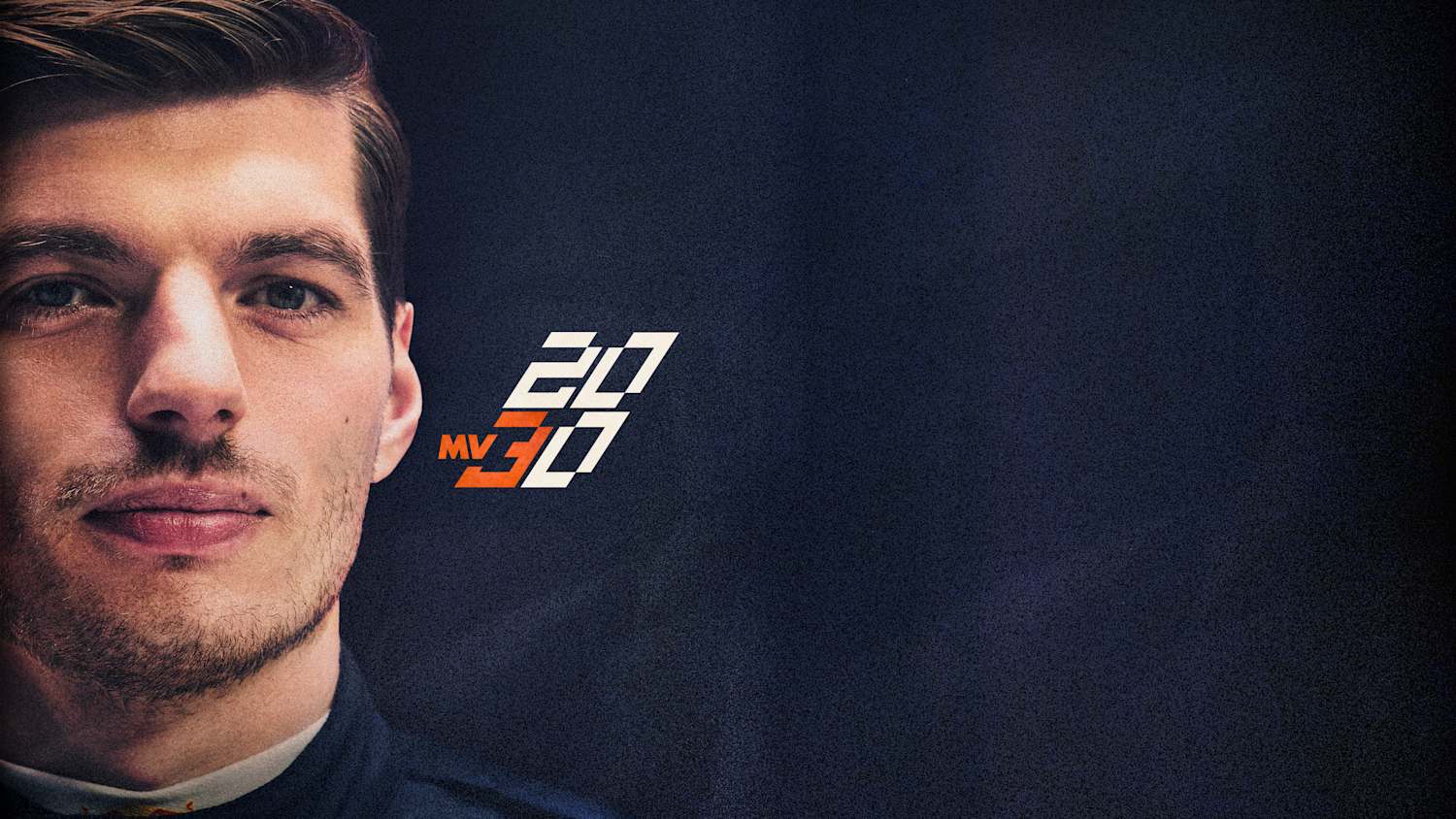
Max Verstappen has not merely stayed put. By extending his Oracle Red Bull Racing contract through the end of 2030, he has chosen to make the team’s next technical era his problem as much as its prize.
That is why this announcement lands differently from the summer’s endless exit-clause chatter. The private details of any contract remain private, but Red Bull’s official confirmation is unambiguous: the partnership now stretches two seasons beyond the deal that had been due to run through 2028. In a sport where a fast driver normally keeps every credible door ajar, Verstappen has publicly attached himself to Red Bull’s direction for the rest of the decade.
The timing matters. The official standings put Verstappen sixth on 109 points after 11 rounds, 110 behind leader Kimi Antonelli. Red Bull is fourth in the constructors’ championship on 177 points, behind Mercedes (379), Ferrari (307) and McLaren (220), according to Formula 1’s teams’ table. That does not turn an extension into a verdict on the RB22. It turns it into a vote on whether the organisation can fix what the RB22 exposed.
The contract ends one debate and starts a harder one
For months, Verstappen’s future has been treated as the most entertaining variable in F1’s driver market. GearPulse covered the reported escape-route arithmetic in July, and it was a legitimate question at the time: could a driver who had made Red Bull synonymous with winning decide that the Ford power-unit project and a difficult new rules cycle were too much uncertainty?
The answer is now emphatically not a short-term departure. L’Équipe and El País both reported the extension as the close of that speculation, and Red Bull’s statement goes further than a transactional announcement. Laurent Mekies describes a shared belief in the team’s people, culture and future; Verstappen says getting back to the top remains the collective goal.
That language is useful because it sets the proper standard. A long contract is not proof that a car is good. It is proof that both sides see enough value in continuity to accept the risk of finding out together.
Red Bull’s risk is obvious. The 2026 reset was built to test exactly the areas the team had to develop at speed: a new chassis philosophy, the first Red Bull Ford power unit and a leadership group redefining itself after a run of change. Verstappen has been the ultimate pressure-release valve for that kind of instability. He can extract a result that makes a rough weekend appear less rough.
But a driver signed through 2030 cannot be the whole recovery plan. He can sharpen feedback, make race days more dangerous for rivals and keep standards brutal. He cannot make the energy deployment cleaner, correlation more reliable or a development programme more decisive by himself.
A useful comparison: security versus complacency
There is a tempting lazy reading of this deal: Red Bull has locked down its star, so the crisis is over. The standings argue against it. Mercedes has more than twice Red Bull’s points; Ferrari and McLaren are not distant enough to be ignored in the fight for second either.
The better reading is more demanding. Verstappen’s commitment gives Mekies, Pierre Waché and the wider technical group the rare luxury of a stable reference driver while they rebuild. It should make decisions cleaner. Development can be judged against the needs of a known quantity instead of against an imagined replacement or a boardroom panic.
That is an advantage only if Red Bull uses it properly. Stability becomes complacency when it is treated as permission to wait for 2027. It becomes competitive leverage when every upgrade, simulation call and power-unit decision is made with a clear target: give the sport’s most exacting driver a car he can attack with, not merely rescue.
The Dutch Grand Prix weekend adds a neat emotional frame. Verstappen arrives at his home race with a signature that makes the long view tangible, while Red Bull arrives needing to show that the promise is not sentimental. The final Zandvoort chapter has already brought plenty of ceremony; this deal adds a more consequential question underneath it.
The bottom line
Verstappen through 2030 does not guarantee Red Bull another title. It does something more interesting: it removes the easiest excuse available to everyone involved.
The driver is staying. The benchmark is staying. Now Red Bull has years—not months—to prove its new technical identity deserves him. That is reassuring for the team, unsettling for its rivals if the recovery works, and an unforgiving deadline if it does not.