
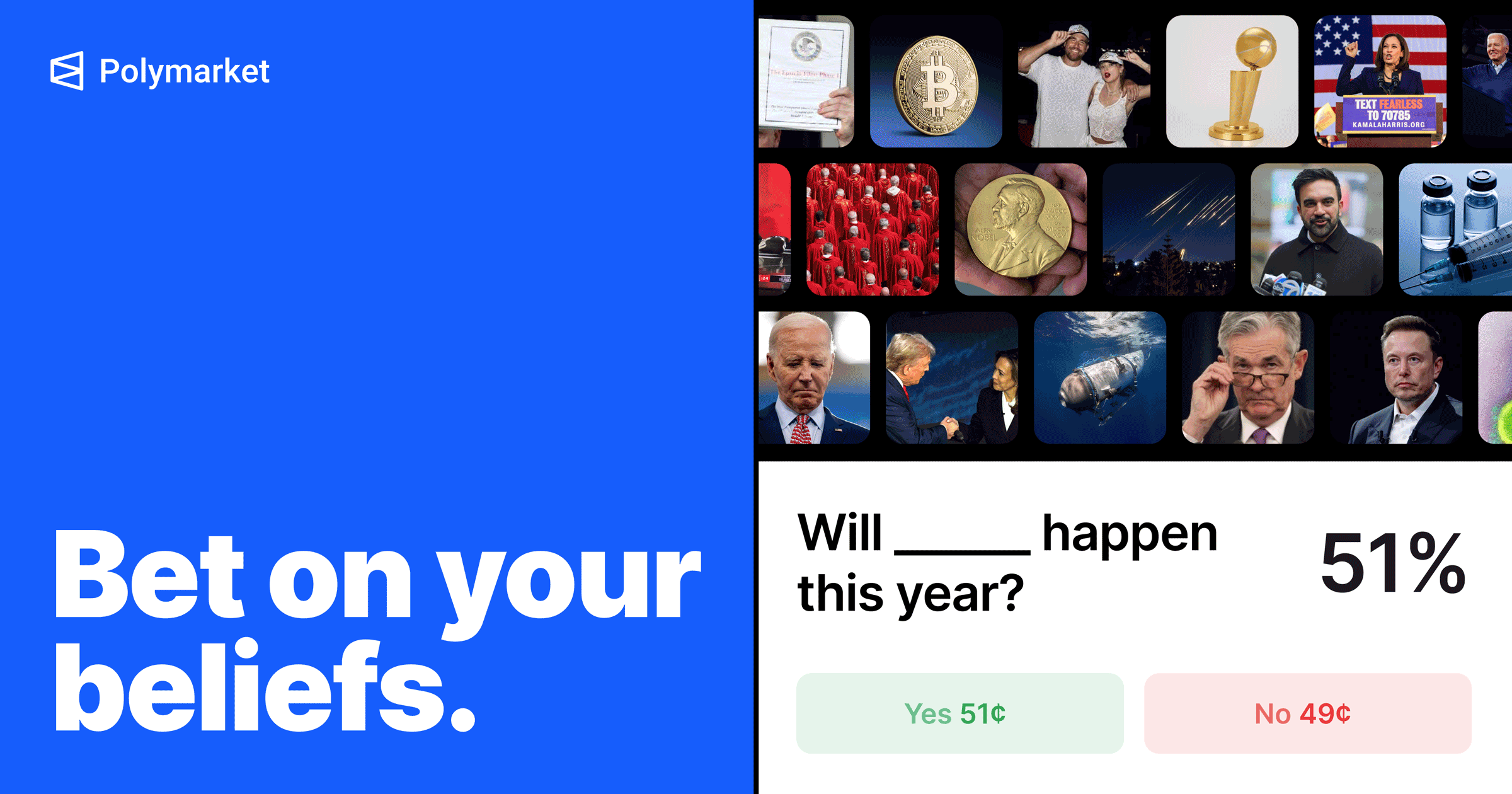
Prediction markets sell a clean idea: put money behind a belief, and the price becomes a sharper signal than a hot take.
That pitch gets much harder when the marketing starts to look fake.
Engadget, citing a Wall Street Journal investigation, reports that Polymarket paid social media creators to publish misleading betting videos. The WSJ reportedly reviewed 1,105 TikTok videos and creator guidance. According to Engadget’s summary, 778 videos appeared to show someone placing a bet, but the Journal found those videos did not actually show the real Polymarket site. They allegedly used dummy sites designed to look convincing.
The worst part is not just the staging. Engadget says the Journal found that more than half of the videos that appeared to show winning bets would actually have been losses.
That is not ordinary influencer gloss. If accurate, it cuts directly against the thing prediction markets are trying to sell: trust in the signal.
Why this matters more for Polymarket
Every consumer tech company wants attention. Polymarket needs something stronger. It needs people to believe that its markets are informationally useful, not merely entertaining.
Polymarket’s own homepage describes it as the world’s largest prediction market, where users trade on future events across politics, sports, crypto, culture, and more. The whole product depends on the idea that prices reflect real people taking real risk.
So a fake-looking marketing loop is unusually damaging.
| Normal influencer risk | Prediction-market risk |
|---|---|
| A creator exaggerates a product benefit. | A creator distorts the perceived ease of winning money. |
| A demo is staged for clarity. | A staged bet may make the market look more profitable than it is. |
| Poor disclosure annoys regulators. | Poor disclosure can make users doubt the entire market signal. |
| Bad campaign, bad optics. | Bad campaign, potential trust collapse. |
For a headphones brand, a staged reaction video is embarrassing. For a prediction market, a staged winning bet is much closer to poisoning the well.
The disclosure problem
The FTC’s influencer guidance is not subtle: paid endorsements need clear disclosure when there is a material connection between the creator and the brand. The legal details depend on the exact content, placement, and relationship, but the principle is simple enough for any marketing team to understand.
If creators are paid to promote a financialized product, viewers should not have to infer that relationship.
The WSJ report, as summarized by Engadget, goes beyond disclosure. It alleges a coordinated content strategy that made dummy interactions look like real betting. If those details hold up, the issue is not just whether the sponsored label was large enough. It is whether viewers were led to believe they were seeing genuine trades and genuine wins.
That distinction matters because these videos are not merely brand awareness. They are behavior prompts. They tell viewers: this is easy, this is exciting, and people like you are winning.
Regulators are already watching
Polymarket and its peers were already in the regulatory spotlight before this report.
Engadget has separately reported that Minnesota passed a prediction-market ban, while Spain blocked Polymarket and Kalshi as authorities examined whether the platforms violated gambling law. In the U.S., the regulatory line between event contracts, gambling, derivatives, and political betting has become one of the messiest corners of consumer finance.
A creator campaign built around allegedly fake betting videos gives critics a simpler argument. They no longer have to explain market structure or exchange law. They can point at a video and ask whether ordinary users were being lured with manufactured wins.
That is the kind of evidence that travels well in politics.
What Polymarket should do next
If the report is wrong, Polymarket should say so with specifics. If parts of it are right, the company needs a bigger response than quietly ending a campaign.
A serious response would include:
- a public rulebook for paid creator content
- visible disclosure requirements for sponsored posts
- a ban on dummy betting interfaces unless they are clearly labeled as simulations
- a review of creator payments and repost networks
- a public explanation of how users can distinguish real platform activity from marketing
That may sound boring. It is also the price of being taken seriously.
Prediction markets are already asking users, regulators, and media outlets to accept a complicated claim: that speculative trading can produce useful public information. That claim becomes fragile when marketing behaves like every other growth-hack funnel on the internet.
Bottom line
The Polymarket story is not just about TikTok videos. It is about whether a prediction market can grow like a social app without damaging the credibility that makes the market useful.
If users believe odds are shaped by real money and real disagreement, Polymarket has a powerful product. If users begin to believe the surrounding hype is manufactured, every price on the screen starts to look less like a signal and more like bait.
That is the risk here. Not one bad campaign. A trust problem hiding inside a growth strategy.