
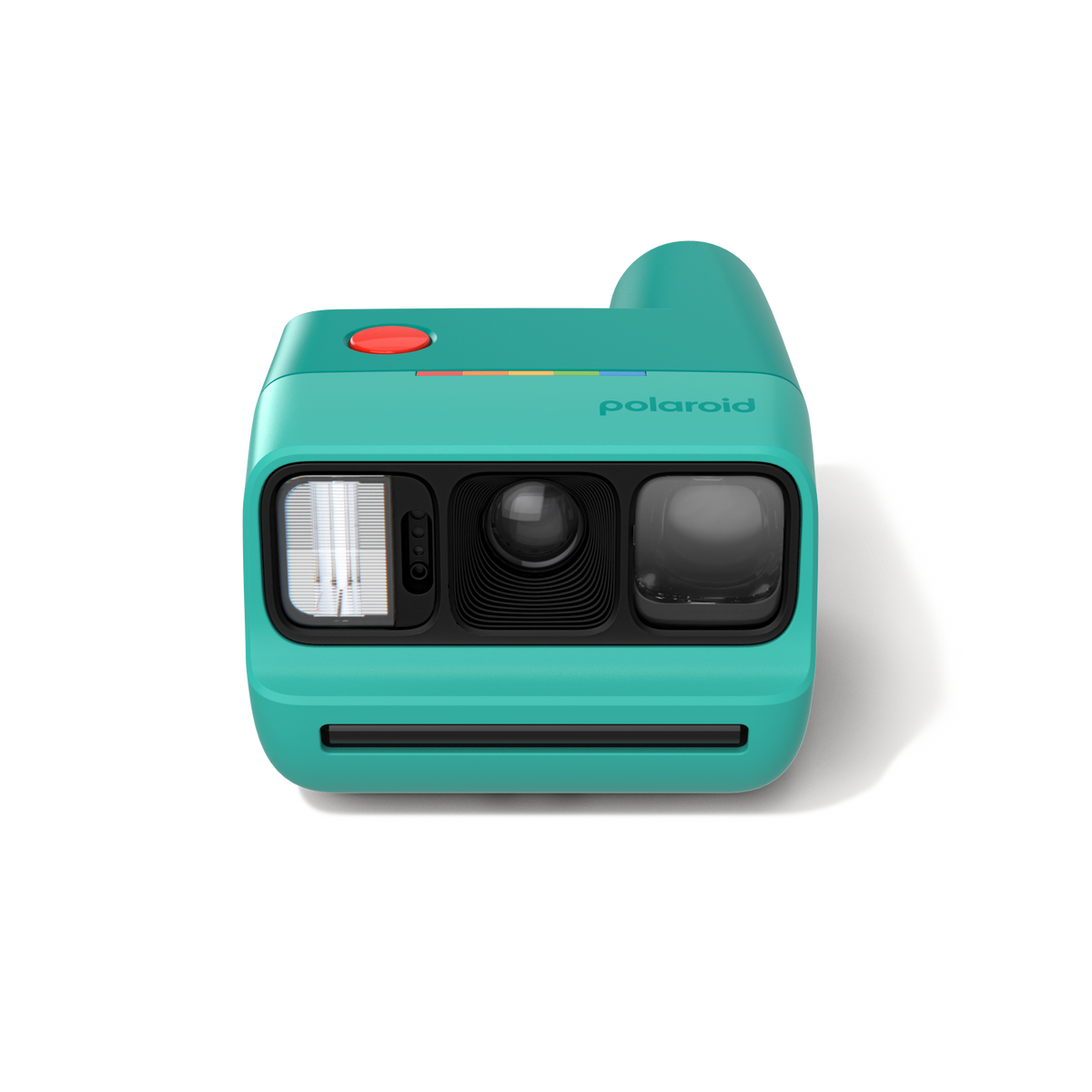
The most interesting thing about the Polaroid Go Generation 3 is that it does not pretend to be rational. A phone is sharper, faster, cheaper per shot and already in your pocket. A tiny instant camera asks you to carry another object, buy film, accept imperfect exposure and wait while the print develops.
That is exactly why it has a point.
Polaroid launched the Go Generation 3 on June 2, positioning it as its smallest instant analog camera and a summer antidote to screen fatigue. The official spec sheet lists a 106.5 x 83.8 x 64.6 mm body, a 251.9 gram weight without film, a fixed-focus polycarbonate lens, a built-in flash, self-timer, double exposure mode and battery life rated for up to 15 film packs. It uses Polaroid Go film rather than full-size i-Type or 600 film.
My take: the Go Gen 3 is relevant because cameras are becoming too frictionless. We now take thousands of technically good photos and remember almost none of them. A little Polaroid will not replace the phone, but it can rescue a few moments from the endless scroll.
The appeal is the constraint
CNET’s launch coverage highlighted the practical updates: stronger flash performance, a revised lens for contrast and glare, closer selfies, five color options and compatibility with the existing Go film format. New Atlas also noted the physical size and the small 47 x 46 mm image area.
That sounds modest because it is. The Go Gen 3 is not a pro camera, a creator camera or a nostalgia filter in hardware form. It is a social object. You pull it out at a dinner, festival, road trip or weekend away, and suddenly the photo is not just content. It is something passed across a table.
| Detail | Polaroid Go Generation 3 |
|---|---|
| Camera size | 106.5 x 83.8 x 64.6 mm |
| Weight | 251.9 g without film |
| Film | Polaroid Go film |
| Lens | Fixed-focus polycarbonate resin |
| Shutter | 1/500 sec to 1 sec |
| Flash | Built-in vacuum discharge tube flash |
| Battery | Rechargeable lithium-ion, up to 15 film packs |
| Modes | Self-timer and double exposure |
The downside is also obvious: Go film is tiny and not cheap. CNET listed a double pack at about $22 for 16 photos, and The Verge’s current deal coverage is a reminder that the older Go 2 can look tempting when discounted. If you only want the cheapest route into instant photos, watch prices carefully.
Why the Gen 3 still matters
The Go Gen 3 improves the part of instant photography that actually ruins the fun: missed shots in poor light. Polaroid says the new model has a more powerful flash and better close-up selfie behavior. That matters because this kind of camera lives indoors, at night, at parties and in mixed lighting, not just on perfect sunny sidewalks.
The personal spin is simple: I like gadgets that give up on being universal. The Go Gen 3 knows it is small, tactile and a little irrational. That honesty makes it more charming than another app trying to manufacture nostalgia after the fact.
It also connects neatly with GearPulse’s recent coverage of devices that push against invisible digital overload, from small EVs that make short trips feel deliberate to app tools that make screen time physical. The Go Gen 3 is the photography version of that impulse: fewer images, more consequence.
Who should care
| Good fit | Poor fit |
|---|---|
| People who want physical keepsakes | Anyone chasing maximum image quality |
| Parties, trips, weddings and festivals | Low-cost everyday photography |
| Gift buyers who want something tactile | Serious manual-control photographers |
| Phone-fatigued families and friend groups | Buyers who hate ongoing film costs |
There is one caveat worth saying plainly: GearPulse has not tested the Go Gen 3. The judgment here is based on Polaroid’s official specs, launch materials and independent coverage, not hands-on image quality.
Bottom line
The Polaroid Go Gen 3 is not a better camera than your phone. It is a better ritual.
If you want perfect files, keep using the rectangle already in your pocket. If you want a few tiny, flawed, physical photos that survive the group chat, Polaroid’s smallest camera makes a surprisingly persuasive case.
Support independent GearPulse articles at buymeacoffee.com/gearpulse.site.