Meta just gave the AI industry a clean reminder: if a feature touches a person’s likeness, the control design is the feature.
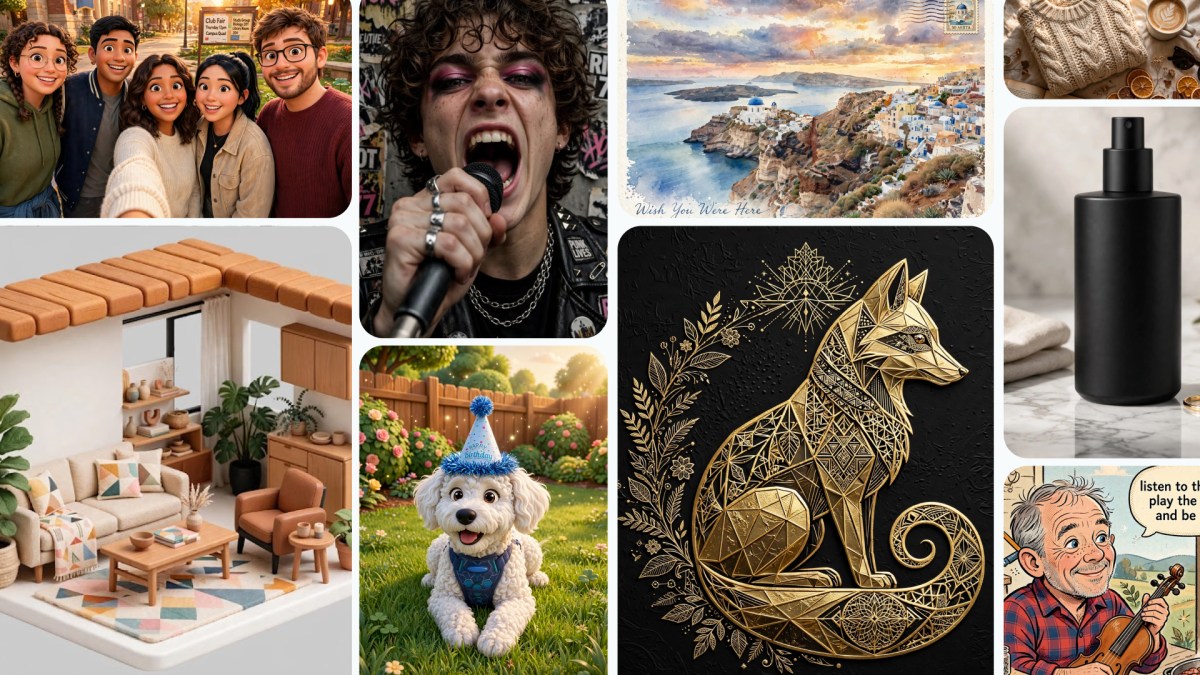
The company announced Muse Image on July 7 as its first image-generation model from Meta Superintelligence Labs. It works across Meta AI and Meta apps, with presets, image editing, Instagram and WhatsApp surfaces, and future advertiser use through Advantage+ creative. But the part that blew up was not image quality. It was the ability to reference public Instagram accounts by @-mentioning them so Meta AI could use their public photos in generated images.
Meta updated the announcement on July 10 to say that this specific @-mention capability is no longer available. The company’s explanation was blunt enough: the feature “missed the mark.”
GearPulse’s view: this matters because social AI is no longer a separate app where people knowingly upload a selfie and ask for a toy result. It is being wired into networks where people already have years of photos, followers, professional identity and social context. That makes consent and defaults product fundamentals, not policy footnotes.
What changed
Meta’s original Muse Image pitch was broad. The company described a free everyday creation tool that can generate images, restore old photos, redesign rooms, build stylized portraits, create effects for Instagram Stories and eventually help advertisers make creative.
The controversial behavior was narrower. Meta said users could @-mention Instagram accounts in Meta AI and bring public profiles into image creations. Instagram Help documentation described controls for whether people could use your Instagram content with Meta AI features, while reporting from TechCrunch, Axios and The Verge focused on the same problem: public accounts were pulled into a high-sensitivity AI feature unless they changed settings or made accounts private.
| Piece of the feature | What it did | Why users reacted |
|---|---|---|
| Muse Image | Generated and edited images inside Meta AI and Meta apps | Normal generative-AI competition. |
| Instagram @-mentions | Let a creator reference public Instagram accounts in AI images | Turned public profile content into likeness material. |
| Opt-out control | Gave account holders a setting to limit reuse | Put the burden on the person being referenced. |
| No broad notification expectation | Reporting noted users could be unaware when content was reused | Makes consent feel abstract, not active. |
| July 10 update | Meta removed the @-mention feature | Shows the default was not socially stable. |
There is a useful distinction here. A feature that lets you remix your own photo is one thing. A feature that lets someone else call your public profile into a synthetic image is another. Both can use the same model. They do not deserve the same default.
Why it matters to normal Instagram users
Most people understand that public posts are public. That does not mean they expect every public post, profile photo or reel to become input material for someone else’s AI image prompt.
The practical risk is not just celebrity deepfakes. It is the ordinary identity problem: a teacher, bartender, local creator, student, fitness coach, journalist or small-business owner may use Instagram publicly because visibility is part of work. They may still have a strong interest in not being drafted into synthetic scenes by strangers.
| Reader concern | Why this feature made it sharper |
|---|---|
| Likeness control | Public visibility became reusable AI material. |
| Harassment | A fake image can be used to embarrass, impersonate or pressure someone. |
| Creator rights | A visual style or personal brand can be copied without a clear negotiation. |
| Trust | Followers may struggle to tell what came from the person and what referenced them. |
| Settings burden | Opt-out systems often favor the platform because many users never find the switch. |
The opinion here is simple: public does not equal permissionless. Social platforms have spent years training people to share more, build audiences and convert identity into opportunity. They should not then treat that same archive as a quiet default input for likeness generation.
Meta’s useful idea still needs a better boundary
Muse Image is not automatically a bad product. Image editing, restoration, room redesign, stickers, effects and ad creative are obvious places where Meta wants to compete with Google, OpenAI, Adobe and TikTok.
The problem is that Meta put a high-risk identity mechanic next to casual creativity.
There are safer versions of this idea. A user could explicitly invite a friend into a shared creation. A creator could opt into licensed AI remixing with clear terms. A public figure could approve specific brand-safe templates. A business account could provide product photos for ad generation. Those are all different from making public Instagram accounts broadly referenceable by default.
| Safer design choice | What it would improve |
|---|---|
| Opt-in for likeness reuse | Makes permission active before identity is used. |
| Per-creation notification | Lets people know when their account is referenced. |
| Visible generated-content labels | Helps viewers understand what they are seeing. |
| Separate controls for posts, reels, face and style | Treats different kinds of reuse differently. |
| Stronger defaults for minors, creators and sensitive categories | Reduces the worst misuse before it happens. |
Meta says Muse Image has protections against policy-violating content, including harmful uses involving real people. That matters, but safeguards are not the same as consent. A generated image can be non-explicit, nonviolent and still unwanted.
The platform lesson
The AI race is making companies ship creative tools fast. Meta has an extra incentive because it owns the social graph, the photo archive and the distribution surfaces where generated images can spread. That is powerful. It is also exactly why defaults matter more here than they do in a standalone image app.
For creators and public-account users, the practical lesson is to review Instagram’s sharing and reuse settings, especially if the account is tied to a real name, profession, personal brand or public-facing work. Even though Meta says the @-mention feature is no longer available, the broader direction is clear: AI features will keep looking for ways to turn social context into creative input.
For Meta, the takeaway should be more structural. Do not ask users to discover the boundary after launch. Put consent before generation. Make the control obvious. Give people a record of where their likeness was referenced. Treat identity reuse as a higher-risk product class than background replacement or sticker generation.
Bottom line
Meta’s pulled Muse Image feature is relevant because it shows where social AI gets uncomfortable fastest: not model quality, but permission.
The company can still build useful image tools. But when a product can pull public people into synthetic scenes, the audience will judge the consent flow as harshly as the generated image.
GearPulse’s read: the next successful social AI tools will not just be the most capable. They will be the ones that understand the difference between helping someone create with their own material and letting someone else generate with another person’s identity.