
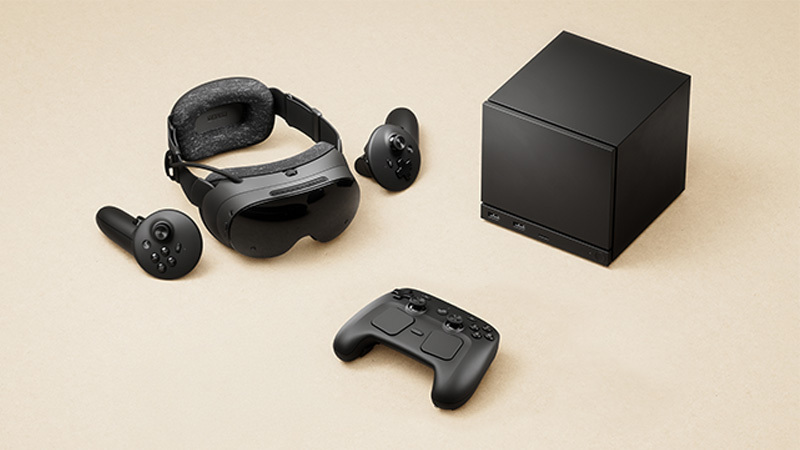
Valve’s Steam Machine is back in leak territory again, this time through fresh Geekbench entries that appear to show the Fremont hardware running SteamOS.
That is enough to suggest movement. It is not enough to settle the story.
What Valve has officially said
Valve has already given the more important context in its own hardware FAQ. The company said memory and storage shortages forced it to revisit exact pricing and launch timing, especially for Steam Machine and Steam Frame, even though its goal of shipping the new hardware in the first half of the year had not changed at the time.
Valve also put a few meaningful technical cards on the table:
- in its own testing, the majority of Steam titles played at 4K 60FPS with FSR on Steam Machine
- SSDs and DDR5 SODIMMs are user-upgradeable
- the company is still working on HDMI VRR, better upscaling, and ray-tracing driver optimization
Then Valve added another clue in the SteamOS 3.8 preview notes, which explicitly mention “initial support for upcoming Steam Machine hardware.” That is the sort of boring official line that usually matters more than a noisy benchmark leak.
What the benchmarks can and cannot tell you
| Benchmarks can hint at | Benchmarks cannot settle |
|---|---|
| That hardware is active in testing | Final gaming performance in real titles |
| That SteamOS support is progressing | Noise, heat, stability, and couch usability |
| That reviewers or internal teams may have units | Launch price and actual value |
Geekbench is useful for showing that something exists and is moving. It is weak at telling you whether a living-room gaming box will actually feel right once it is under a TV and asked to run demanding games for hours.
That last part is the hard question.
Why this product still has a real shot
The Steam Machine pitch makes more sense in 2026 than earlier versions ever did.
Valve now has years of Steam Deck software learning behind it. SteamOS is more mature. Verified systems are clearer. Controller expectations are better defined. And if Valve really can deliver a compact, upgradeable box that hits respectable 4K living-room performance, there is room for it between a console and a full Windows gaming PC.
But that argument falls apart quickly if pricing drifts too high.
The current hardware market is not gentle. Valve itself has already pointed to component pressure. So the benchmark conversation is almost secondary until the company can say what the box costs and when people can actually buy it.
What to watch next
The next meaningful signs are not another synthetic score leak. They are simpler:
- final pricing
- ship timing
- real game footage
- whether SteamOS feels polished enough outside the Steam Deck context
If those pieces line up, the leaks will look like early smoke before a real launch. If they do not, the benchmarks will end up being just more internet moodboarding around unreleased hardware.
Bottom line
The new Steam Machine benchmarks are interesting because they suggest Valve is getting closer.
They are not decisive because benchmarks do not answer the question buyers actually care about: is this thing a good living-room PC at the price Valve is going to ask?