
The best thing Formula 1 can get from a regulation reset is not chaos. Chaos burns hot for three weekends and turns into excuses. The better outcome is pressure: a new technical order that makes familiar champions uncomfortable and gives a new driver just enough machinery to become a problem.
That is where the 2026 season sits at the summer break.
Formula 1’s official standings, checked August 16, put Mercedes first in the constructors’ table with 379 points, ahead of Ferrari on 307, McLaren on 220 and Red Bull Racing on 177. The official Mercedes team page lists an even more forceful line: 11 Grands Prix entered, eight Grand Prix wins, 14 podiums and 10 poles in 2026.
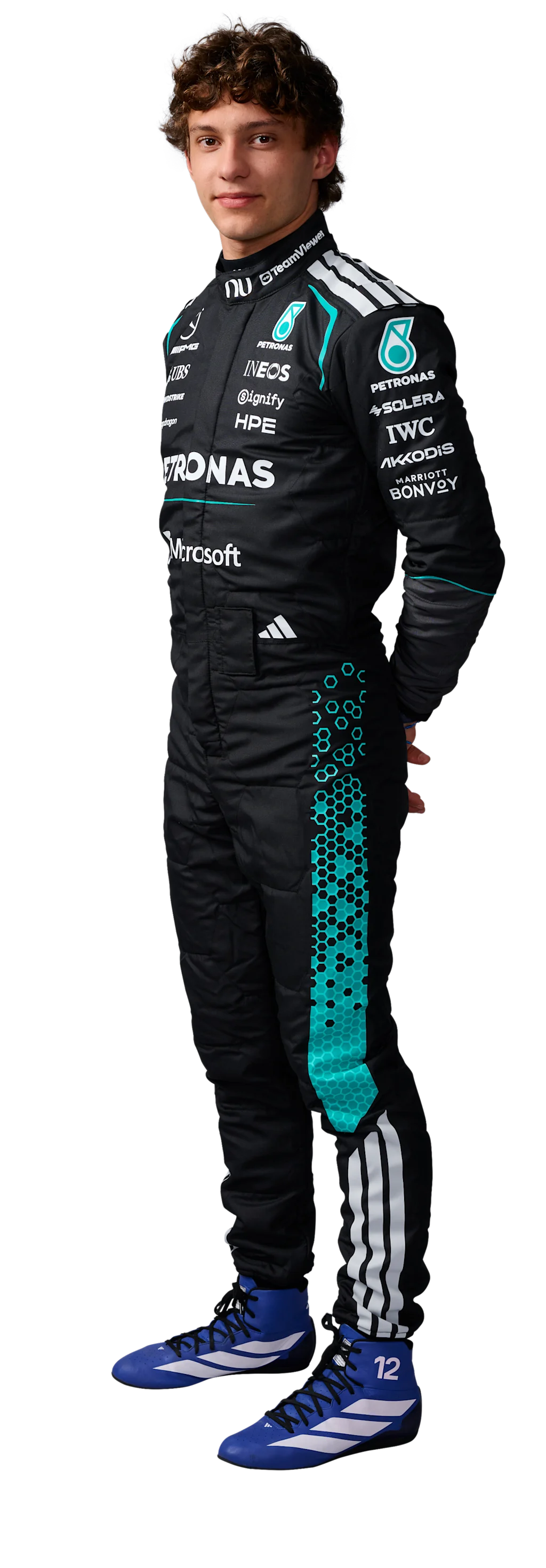
The human headline is Kimi Antonelli. Formula 1’s official driver table and ESPN’s midterm grades both point to the same shape at the front: Antonelli has become the reference, with Lewis Hamilton and George Russell giving chase. Formula 1’s own season-so-far video packaging underlines the same mood: 2026 has produced enough wheel-to-wheel action and enough reset-era weirdness that the championship no longer feels like a sequel.
My view: Antonelli is relevant because he changes the emotional temperature of the season. A Mercedes advantage by itself can feel clinical. A young driver trying to own the first year of a new rules era makes it volatile.
The table tells the first half
| Team | Official points on August 16 | What it says |
|---|---|---|
| Mercedes | 379 | The reset has landed in Brackley’s hands first. |
| Ferrari | 307 | Close enough to keep the pressure alive. |
| McLaren | 220 | Reigning strength has not carried over cleanly. |
| Red Bull Racing | 177 | Still dangerous, no longer controlling the rhythm. |
| Racing Bulls | 66 | The midfield has useful disruption. |
| Alpine | 61 | Not anonymous, which matters in a reset year. |
That spread is healthy for the sport. Mercedes has a real lead, but not a dead championship. Ferrari is close enough that every missed strategy call, penalty and upgrade direction still matters. McLaren and Red Bull are far enough back to turn their second halves into aggressive experiments.
Motorsport.com’s mid-season Ferrari grade is useful context because it frames Ferrari not as a sentimental Hamilton story but as an engineering team making bold choices under the new rules. The upside-down wing and exhaust-winglet discussion matters because 2026 is not just about who has the better driver pairing. It is about who understood the new aerodynamic and energy-management problem fastest.
Antonelli makes Mercedes harder to read
The old version of a Mercedes title run was easy to understand: ruthless execution, technical margin, star driver. The 2026 version is more interesting. George Russell is established, fast and under pressure. Antonelli is young, quick and already being treated like the championship reference point by several midseason roundups.
GPblog’s driver-weakness list points to track limits as Antonelli’s key flaw, while flagging Russell’s challenge as converting pace into results. That feels like the right tension. Antonelli’s ceiling is the excitement; Russell’s experience is the measuring stick. Mercedes needs both, but the title narrative gets sharper every time the younger driver looks less surprised by the moment.
There is a personal reason this version of F1 works for me: the sport is better when the fastest car creates an internal question. Dominance with no internal friction becomes wallpaper. Dominance with two drivers forcing the team to choose how it manages risk becomes appointment viewing.
Ferrari is close enough to annoy everyone
Ferrari’s season is also better than the raw gap suggests. A 72-point deficit in the teams’ table is not small, but it is not fatal with half a season left and a new rules package still being understood.
The Hamilton-Leclerc pairing gives Ferrari something Mercedes cannot copy: two drivers with very different pressure profiles. Hamilton brings the big historical pull and race-management intelligence. Leclerc brings the long Ferrari scar tissue and qualifying sharpness. If Ferrari’s upgrade path keeps working, Mercedes may not get to manage the second half politely.
The caveat is that innovation has to keep paying rent. A clever first-half concept becomes a museum piece if rivals copy it, regulate around it or simply out-develop it. Ferrari’s strong start is intriguing because it gives the team a platform, not because it guarantees a comeback.
What to watch after the break
| Question | Why it matters |
|---|---|
| Can Antonelli keep the penalty and track-limits noise down? | A title lead becomes fragile when small mistakes stack up. |
| Does Russell respond with wins or consistency? | Mercedes cannot let its internal balance become a distraction. |
| Can Ferrari turn pace into cleaner Sundays? | The car seems good enough to force Mercedes into imperfect weekends. |
| Does McLaren recover its 2025 authority? | A strong McLaren second half would complicate every podium. |
| Can Red Bull solve its weekend-to-weekend instability? | Verstappen remains dangerous if the car window widens. |
This is also the right moment to remember that midseason grades are not trophies. ESPN, GPblog and Motorsport.com are reading the same half-season from different angles: driver form, weaknesses, and team development. The official standings are the spine; the analysis is useful because it explains why those numbers might or might not hold.
Bottom line
F1’s 2026 reset has done its job because it has made the second half feel alive. Mercedes is leading, Ferrari is close enough to irritate them, and Antonelli has turned a technical advantage into a personal title drama.
That is the fun version of a regulation change. Not random results for the sake of randomness, but a new order with enough uncertainty to make every upgrade, penalty and team-radio decision matter.
Support independent GearPulse articles at buymeacoffee.com/gearpulse.site.