The most interesting EV feature in 2026 may not be another mile of range.
It may be what the car does after you park it.
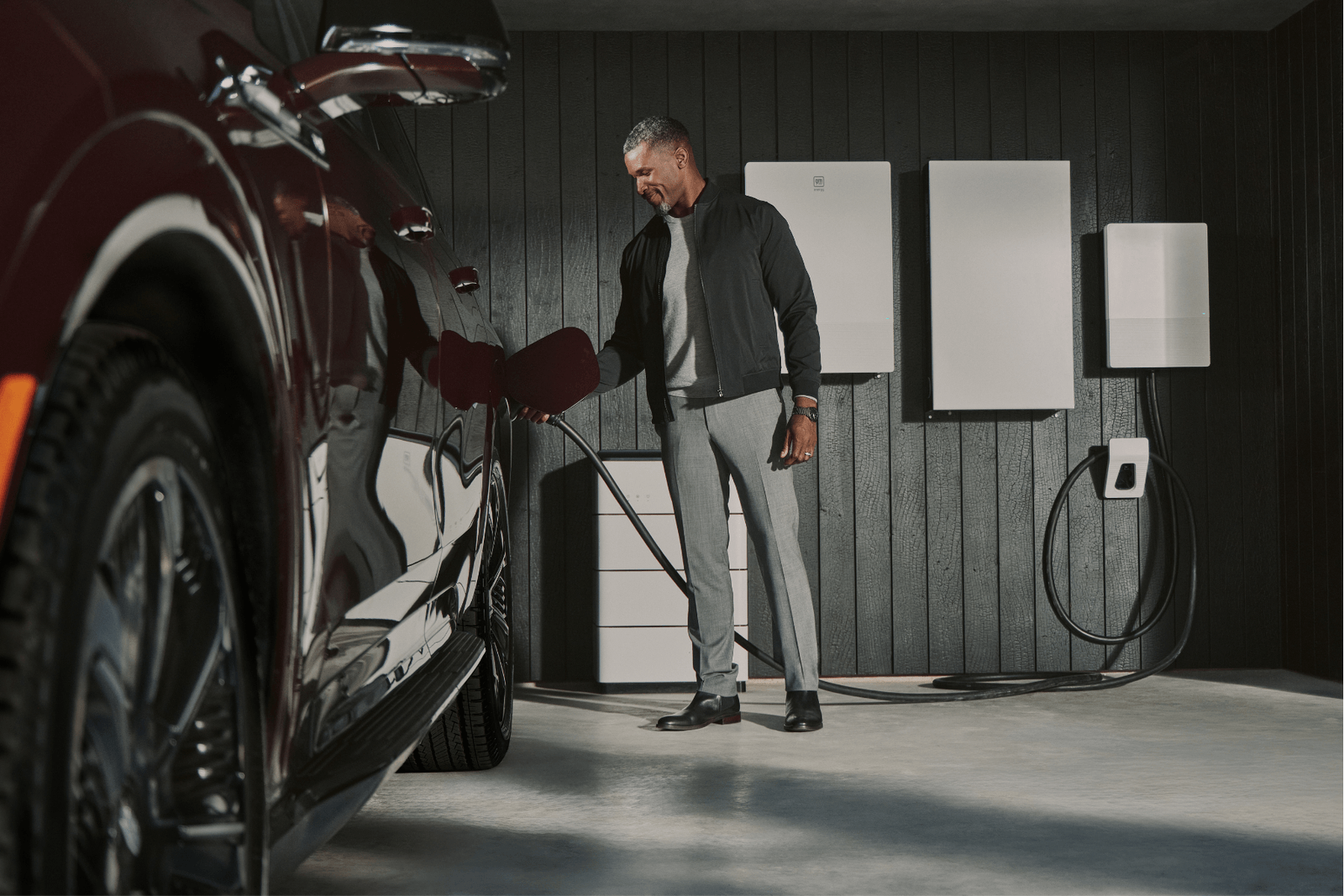
WeaveGrid and GM Energy announced a collaboration designed to connect eligible Chevrolet, GMC and Cadillac EV drivers with utility programs for managed charging, bidirectional charging, residential storage and distribution-level orchestration. Put less formally: GM wants more of its electric cars to become useful grid equipment when they are sitting in garages.
GearPulse’s view: this matters because EV ownership is moving past the simple question of “where do I charge?” The next phase is whether the car can lower household energy costs, avoid charging at the worst time of day and eventually support the grid without making the owner feel like a test subject.
What GM and WeaveGrid are trying to do
WeaveGrid makes software for utilities managing EV load. GM Energy sells home charging, vehicle-to-home backup and stationary battery products around GM’s EV lineup. The partnership is meant to make utility enrollment easier for eligible GM owners, while giving utilities a cleaner way to coordinate lots of vehicles and home-energy devices.
The public promise is practical. Charge when electricity is cheaper or cleaner. Avoid adding load when the grid is strained. Use bidirectional-capable EVs and home systems as flexible energy assets. Give customers incentives where local utility programs exist.
| Piece of the program | What it means for owners | What still has to work |
|---|---|---|
| Managed charging | The car can be scheduled around utility needs and rates. | Customers need clear savings, not confusing automation. |
| Vehicle-to-home | A compatible GM EV can power a properly equipped home during an outage. | Hardware, installation and interconnection have to be done correctly. |
| Vehicle-to-grid | EVs could eventually send energy back beyond the home. | Utility tariffs, safety rules and compensation need local approval. |
| Residential storage | A GM Energy PowerBank can store grid or solar power for later. | The economics depend heavily on rates, rebates and usage. |
| Distribution orchestration | Utilities can manage local grid capacity with software. | It must be invisible enough that drivers still trust the car. |
The scale is why this is more than a niche smart-charger story. GM says it has more than 250,000 bidirectional-capable vehicles on U.S. roads today. In its June policy letter, GM framed that fleet as a potential distributed storage asset and said those vehicles could theoretically help power 120,000 homes for up to a week, under stated assumptions.
That number should be treated carefully. GM’s own note says it is illustrative and depends on available V2H capability, properly equipped homes, grid interconnection, average household consumption and real-world conditions. Still, the direction is hard to ignore: the car battery is becoming part of the home-energy conversation.
The better EV pitch is not just backup power
Backup power is easy to understand. The lights go out, the EV helps keep the house running. GM Energy’s product page says the 2026 Chevrolet Silverado EV Max Range can help provide power to a properly equipped home for up to five days, with the usual caveats around conditions and setup.
But the more everyday idea is quieter. If a utility can shift charging away from the evening peak, a driver may save money and the grid may avoid unnecessary stress. If enough vehicles participate, the local utility gets flexibility without building every possible upgrade for the single worst hour of the year.
That is especially relevant after GearPulse’s recent coverage of Google’s Steel River solar-and-battery project. AI data centers, home electrification, heat waves and EV charging are all pulling on the same grid. A parked EV with a large battery is not a magic solution, but it is too useful to leave idle forever.
The catch is customer trust
The weak point is not the concept. It is the customer experience.
People bought an EV to drive it. If a grid program ever leaves someone undercharged before a school run, a commute or an emergency, trust disappears quickly. The owner needs simple controls: charge by this time, never go below this battery level, opt out when needed, show the savings clearly.
The utility side is just as important. Vehicle-to-grid will not scale through confusing paperwork, slow interconnection reviews and mystery-rate programs. GM’s own letter calls out enrollment, incentives and interconnection as the practical fronts that need work.
| Reader question | Sensible answer |
|---|---|
| Will this work everywhere? | No. It depends on local utility programs and eligible hardware. |
| Does V2H equal V2G? | No. Powering your home and exporting to the grid are different use cases. |
| Is there a real financial upside? | Potentially, but only when rates and incentives are clear enough. |
| Should shoppers buy only for future V2G? | Not yet. Buy for the car and verified home-energy features first. |
| Is this still early? | Yes, but it is becoming operational rather than purely theoretical. |
Bottom line
GM and WeaveGrid are pointing EVs toward a more useful future: not just transportation, not just backup power, but flexible energy capacity parked in ordinary driveways.
The relevant question for EV shoppers is not whether this sounds clever. It does. The question is whether utilities, automakers and installers can make it feel boring, reliable and worth the enrollment. When that happens, the EV starts earning its keep before it ever leaves the garage.