
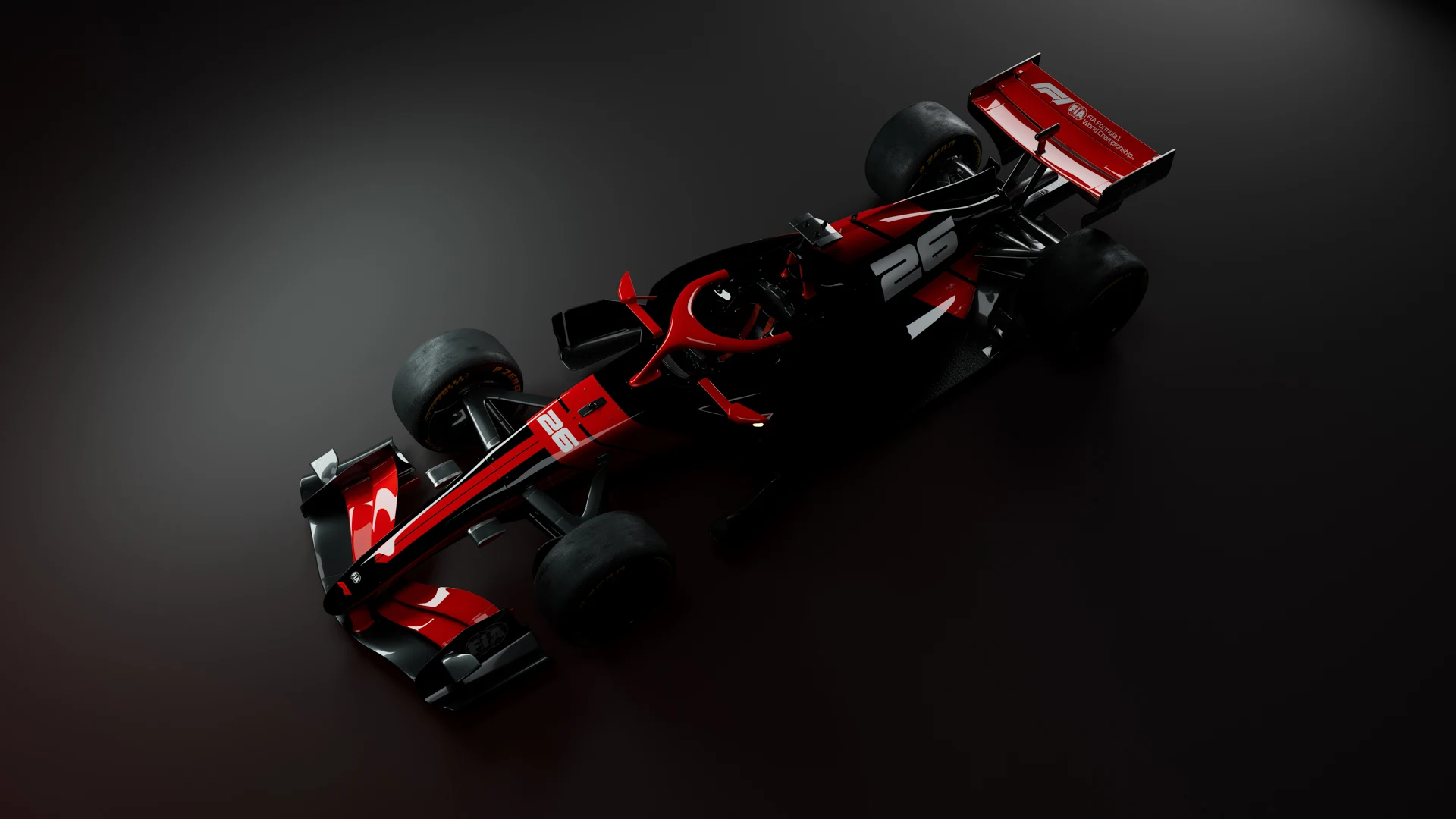
Formula 1’s 2026 rules were sold as the “nimble car” reset. On weight, Nikolas Tombazis has now put a much harder number on how unfinished that reset still is.
Motorsport.com and Autosport both published fresh August 7 coverage of the FIA single-seater director’s view that the next major rules cycle should aim for another 80kg reduction, alongside still shorter and smaller cars. That is not a small trim. It is the difference between the current 768kg minimum and something much closer to the leaner, more reactive F1 cars many drivers, engineers and fans keep asking for.
GearPulse’s view: this is the most interesting F1 story of the day because it reframes the 2026 argument. The loudest debate so far has been about hybrid deployment, clipping, active aero and whether software is making racing feel too managed. Tombazis’ weight target says the FIA also sees a more basic truth underneath: the 2026 chassis rules are a step, not the destination.
Why this rose today
This story cut through because it joins three threads that have been running all summer.
First, the current cars really did shrink. Formula 1’s official 2026 regulation explainer says the maximum wheelbase dropped by 200mm to 3400mm, width came down by 100mm to 1900mm, downforce was reduced by 30%, drag by 55%, and the minimum weight moved to 768kg. Honda’s 2026 technical overview gives the same broad baseline from a manufacturer perspective: smaller dimensions, about 30kg less minimum weight, narrower tyres and a redesigned aero concept.
Second, the 2026 cars have not escaped the complexity argument. GearPulse has already covered the Spa energy-algorithm backlash and Stefano Domenicali’s battery-graphics defence. Motorsport.com’s August 6 FIA algorithm piece kept that debate alive, with Tombazis explaining why simply banning power-unit algorithms would probably create worse energy clipping rather than cleaner racing.
Third, today’s 80kg target is a forward-looking admission. The FIA can argue, with some reason, that 2026 made the cars more agile and less wake-sensitive. But when the governing body’s own technical figure says the next goal is another big step down, the obvious conclusion is that F1 still thinks mass is holding back the show.
The hard part is not wanting lighter cars
Everyone wants lighter F1 cars in the abstract. Drivers get cars that change direction more naturally. Tyres and brakes have less energy to manage. Racing can look less like a battle between large aero platforms and more like a contest between drivers.
The problem is what modern F1 has asked the car to carry.
The 2026 package includes stronger safety structures, a more electrified power unit, energy storage, control electronics, active aero hardware, sustainable-fuel compatibility and cost-cap-era durability requirements. None of that is weightless. The current rules already trimmed roughly 30kg while keeping the hybrid identity and adding tougher safety assumptions. A further 80kg would probably require more than marginal dieting.
That is why the next-cycle target matters. If the FIA wants the 2030 or 2031 car to be that much lighter, it has to decide what kind of complexity is worth keeping. A simpler power unit would help. Smaller batteries could help. Less aero furniture and tighter dimensions could help. But every saving has a tradeoff: manufacturer relevance, road-car signalling, crash performance, tyre operating windows, or development cost.
2026 looks better, but not solved
Tombazis’ defence of the 2026 chassis side is not empty. The cars are shorter, narrower and lighter than the previous generation. The FIA also believes the wake problem is more robustly controlled than it became under the 2022-2025 regulations, when teams gradually recovered downforce through details that made following harder again.
That is an important caveat. The 2026 car does not need to be a failure for the 80kg target to be a real story. In fact, the opposite is probably true: once F1 proves that smaller dimensions and less mass can work without breaking the championship, the next question becomes why the sport should stop at a half measure.
The likely answer is timing. The 2026 rules were already trying to do a lot at once: new power units, new aero modes, new overtaking tools, sustainable fuels and new manufacturers. Trying to remove another 80kg inside that same change would have raised the risk for teams and suppliers. A later rules cycle gives the FIA more political room to simplify the package after the first years of evidence.
What 80kg would change on track
An 80kg cut would be visible even before the stopwatch.
At slow circuits, lighter cars should rotate more willingly and punish front-tyre overheating less aggressively. At tracks like Monaco, Hungary and Singapore, the racing benefit would come less from raw top speed and more from cars being less reluctant through tight direction changes. At high-speed circuits, the gains would depend on how much downforce and tyre load F1 chooses to keep, because lighter cars can also become more nervous if the aero platform is simplified too far.
There is also a driver-skill angle. Tombazis’ current defence is that the 2026 cars are still difficult enough to reward the best drivers. That is the right instinct. F1 should not chase lightness by producing easy cars. The sweet spot is a car that is more responsive but still physically and technically demanding, where a driver can recover a slide, attack a kerb and make a visible difference without being trapped by a battery-deployment map.
The probability that F1 hits the full 80kg target in one jump feels moderate at best. GearPulse would put it around 40% as a pure editorial read, not a prediction market or betting line. A partial reduction feels more likely because safety load cases, tyres, hybrid hardware and commercial manufacturer politics are stubborn. But the fact that the FIA is putting an 80kg ambition into the conversation now is still useful. It moves the negotiating anchor.
The bottom line
The 2026 rules may still become a good racing formula. Hungary already showed how close-field, high-pressure racing can make the new package look much better than the early energy-deployment complaints suggested.
But the FIA’s 80kg target says something more honest than a victory lap: F1 knows the current cars are only partway back to being genuinely nimble. The next big regulation fight will not just be about batteries, software or overtaking modes. It will be about how much technology the sport can carry before the car itself stops feeling like the star.