Facebook Creator Studio is coming back, but not as the quiet scheduling tool many page managers remember.
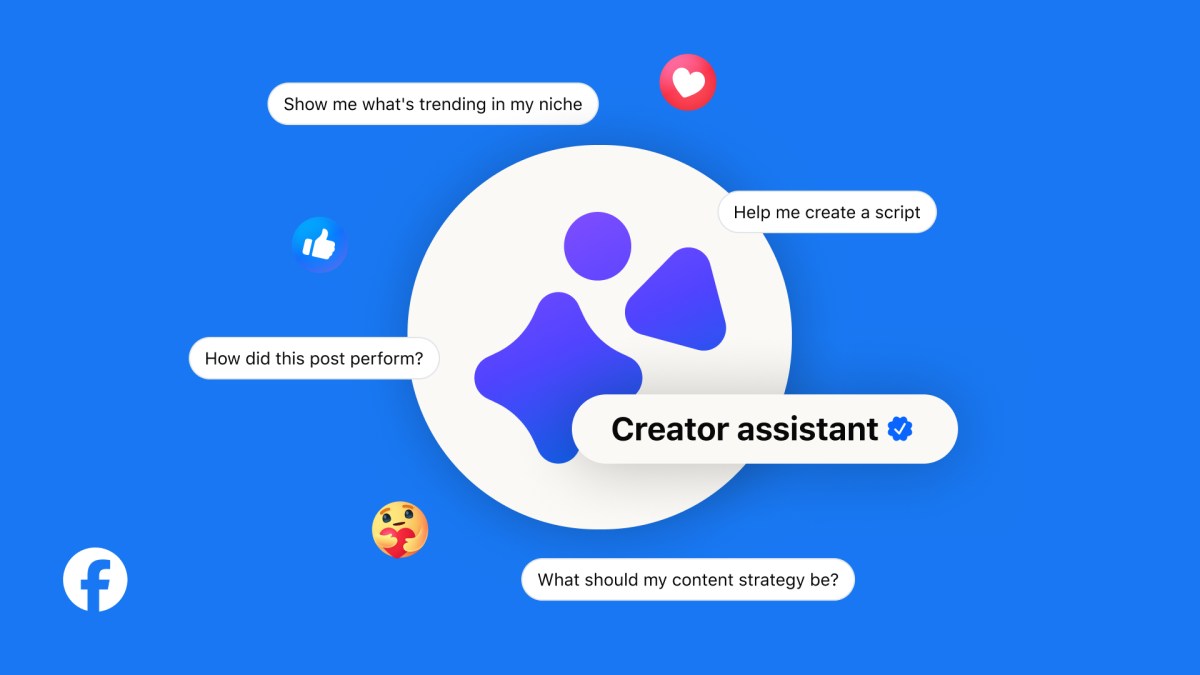
Meta is turning the name into a standalone AI companion app for creators, built around the Creator Assistant it announced earlier this month. Meta’s official pitch is simple: creators should be able to ask why a reel worked, how their audience has changed, what to post next, and which comments deserve attention without digging through multiple dashboards.
That sounds useful. It also changes the role of Creator Studio from a control panel into something closer to a coach, analyst, and inbox triage layer.
What Meta says is new
Meta says Creator Assistant is built into the Facebook creator dashboard and uses a creator’s own content style, performance, audience, community, and goals to return personalized recommendations. The company says it is rolling out to creators in the US, Canada, and India, with more capabilities and more countries planned later.
TechCrunch reports the revived Creator Studio app is being tested with select creators. The Verge notes the older Creator Studio experience was shut down in 2023 as Meta pushed people toward Business Suite, which makes this less a simple comeback and more a reset of Facebook’s creator tooling.
| Feature | Why it matters |
|---|---|
| Performance Q&A | A creator can ask why a post or reel outperformed another instead of reading charts manually. |
| Daily priorities | The app can surface what needs attention, such as recent post performance or goal progress. |
| Comment triage | AI can identify important comments and draft replies in the creator’s tone. |
| Idea generation | Recommendations can draw on trends, audience behavior, and content history. |
The useful version
The best version of this is not “AI writes your posts.” It is a cleaner feedback loop.
Most creators already make decisions from incomplete signals: watch time, retention, comments, shares, follower growth, and the opaque feeling that one format suddenly stopped working. If Creator Studio can explain patterns in plain English and keep creators from bouncing between analytics pages, it could save time.
It may also help smaller creators who do not have a manager, editor, analyst, or social team. For them, a tool that summarizes audience shifts and points to practical next steps is more meaningful than another chart.
The uncomfortable version
The risk is that Meta turns creator judgment into platform obedience.
If the assistant mostly rewards whatever Facebook wants pushed this week, creators could end up optimizing for the system instead of their audience. Comment drafting raises a similar tension. Meta says creators can edit and approve replies before posting, which is the right guardrail, but the feature still nudges community management toward semi-automated responses.
That may be efficient. It may not feel personal.
What creators should check before relying on it
| Question | Why it matters |
|---|---|
| Can you see why the assistant made a recommendation? | Black-box advice is hard to trust when it affects reach or income. |
| Are reply drafts clearly editable and reviewable? | Automation should not impersonate a creator without consent. |
| Does the tool separate audience insight from trend chasing? | Growth advice can become generic if every creator gets similar prompts. |
| Is data export still available elsewhere? | Serious creators need raw metrics, not only AI summaries. |
Bottom line
The revived Creator Studio is a smart move because creator analytics are messy and Facebook needs better reasons for creators to keep working inside its ecosystem.
But the product will only be genuinely useful if it helps creators understand their work, not just follow Facebook’s next growth prompt. AI can be a strong assistant here. It should not become the boss.