
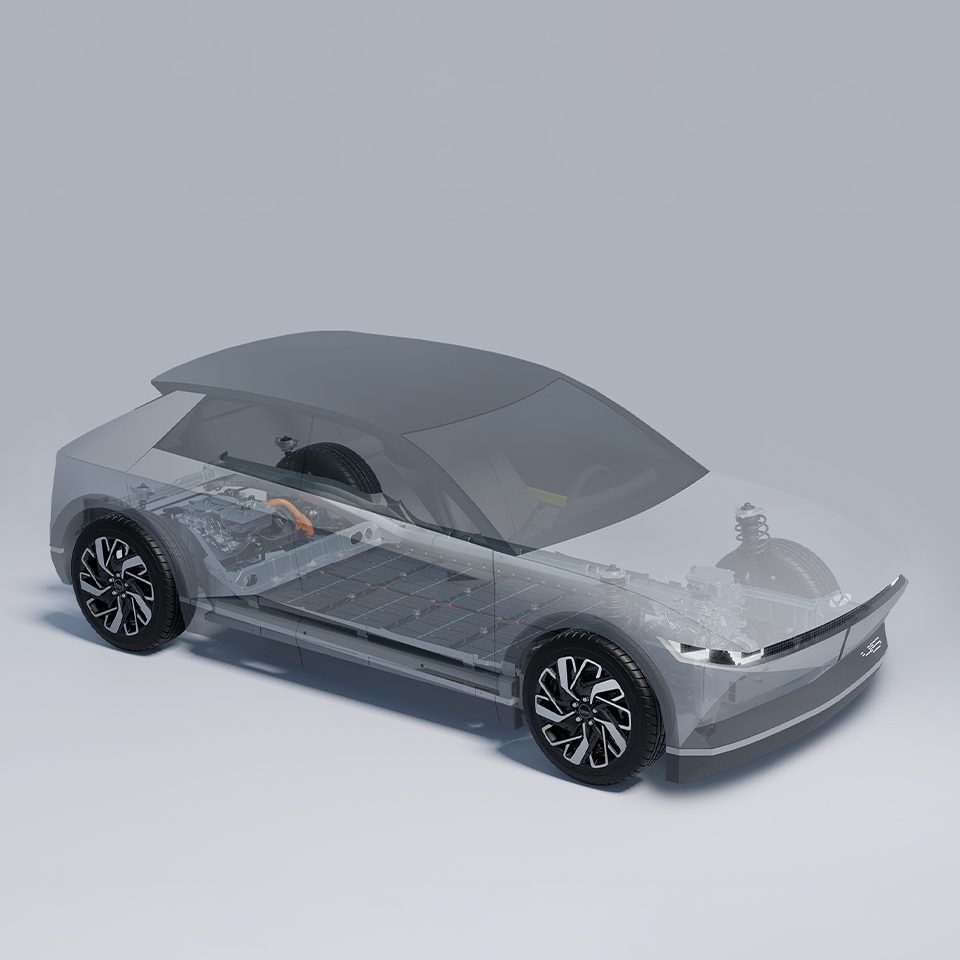
The old shorthand for comparing EVs was simple: range first, charging speed second, price third. That still works if you need a quick shopping filter, but it misses the part that decides whether the car feels clever after the honeymoon period.
The platform is the real product. It controls how the battery is packaged, how much heat the pack can shed, how often the car can repeat a fast charge, how much interior room is recovered, and whether software can improve the experience without changing hardware.
What to read beyond range
Range is a result. The inputs are more useful.
| Spec area | Why it matters | What to look for |
|---|---|---|
| Pack architecture | Affects weight, interior space, repair cost, and cooling routes. | Dedicated EV platform, clear pack layout, service documentation. |
| Thermal management | Controls repeatability in hot weather, cold weather, and back-to-back fast charging. | Preconditioning, active liquid cooling, transparent charging behavior. |
| Charging curve | Peak kW is only one moment. The curve decides real stop time. | 10-80 percent times, consistency, charger compatibility. |
| Software path | The car can improve or stagnate after delivery. | OTA cadence, battery management updates, route planner integration. |
Dedicated platforms feel different
A dedicated EV platform is not automatically better than a converted combustion platform, but it usually gives engineers more room to make coherent choices. The cabin can be flatter, the wheelbase can be longer for the same footprint, and the cooling hardware can be planned around the pack instead of squeezed into leftover space.
The same logic applies to charging. A high peak number looks great in a launch deck, but a platform that holds a useful charging rate for longer will usually be easier to live with on a road trip.
The buying shortcut
When reading a launch article, ask three questions before caring about the headline range:
- Does the car explain its charging behavior clearly?
- Is the battery pack treated as a serviceable system or as a sealed mystery?
- Does the software stack look like a long-term product, not a launch accessory?
If those answers are weak, the spec sheet is probably hiding the expensive part.
Bottom line
The best EVs will not be the ones with one huge number. They will be the ones whose platform makes the ordinary days boring in the right way: predictable charging, stable thermal behavior, clean routing, and software that gets better without asking you to buy the next car.