
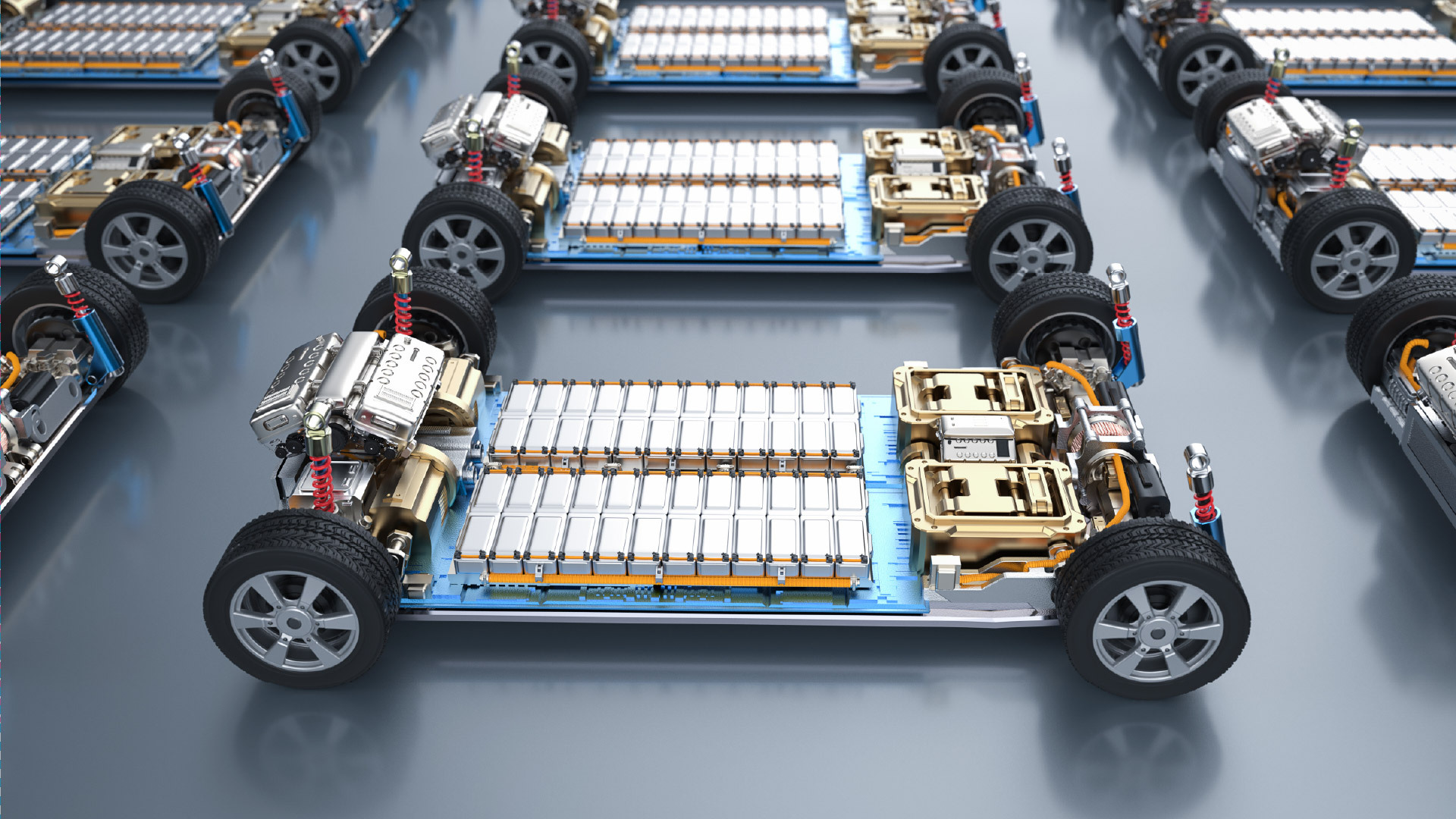
The used-EV market still has one emotional problem: people imagine the battery failing like an old phone.
The newest real-world data keeps pushing against that fear. Geotab’s 2026 battery-health work analyzes more than 22,700 EVs across 21 models and puts average annual degradation at 2.3 percent. Recurrent’s battery-replacement research, based on its community of more than 30,000 electric cars, says modern EVs from 2022 onward have had a 0.3 percent battery replacement rate in its observed data. The Wall Street Journal’s current high-mileage reporting and InsideEVs’ degradation work point in the same direction: range usually fades gradually, not suddenly.
GearPulse’s view: battery anxiety is no longer the smartest way to judge a used EV. The better question is how the car was charged, where it lived, whether it has a clean recall history, and whether the seller can show a battery-health report.
The fear is understandable, but dated
Early EV skepticism had a real basis. First-generation electric cars were smaller, less thermally sophisticated and more exposed to battery-aging surprises. Some early models also suffered from defect-driven recalls or less robust cooling.
But the market has moved. Newer EVs use larger packs, better battery-management systems, stronger thermal regulation and more mature software. That does not make degradation disappear. It changes the shape of the risk.
| Battery question | Current evidence | Buyer read |
|---|---|---|
| Do EV batteries degrade? | Yes, gradually. Geotab’s large dataset averages 2.3% per year. | Expect range loss, not magic. |
| Is fast charging harmless? | No. Geotab found higher degradation for frequent high-power DC fast charging. | Occasional road-trip fast charging is different from daily 100 kW-plus use. |
| Does heat matter? | Yes. Geotab found hot-climate vehicles degraded about 0.4% faster per year than mild-climate vehicles. | Arizona and Norway are not the same use case. |
| Are replacements common in modern EVs? | Recurrent observed 0.3% replacement for 2022-and-newer EVs. | Still verify the specific car. |
| Is 70% capacity a dead battery? | No. Recurrent notes many warranties use 70% as a threshold, not a zero point. | The useful question is whether remaining range fits your life. |
The important shift is from catastrophic thinking to condition-based buying. A used combustion car buyer asks about service history, oil leaks, timing chains and transmission behavior. A used EV buyer should ask about battery health, charging pattern, recalls and software support.
Fast charging is the variable to watch
Geotab’s work is especially useful because it does not just say batteries are fine. It identifies where the stress comes from.
Vehicles with low DC fast charging frequency, defined by Geotab as less than 12 percent of charging sessions, averaged 1.5 percent annual degradation. Vehicles with high-frequency, high-power DC fast charging, where more than 40 percent of DC fast charging sessions exceeded 100 kW, averaged 3.0 percent annual degradation.
That is still not an automatic disaster, but it is a real difference. Over eight years, Geotab projects the low-frequency group at about 88 percent original capacity, while the high-frequency high-power group lands closer to 76 percent.
For a buyer, that means the odometer is not enough. A 90,000-mile EV that mostly charged overnight at home may be less worrying than a lower-mileage car that lived as a rapid-charging workhorse in a hot climate.
The 20 to 80 rule needs context
One useful caveat from Geotab: the familiar “keep it between 20 and 80 percent” advice is not always as strict as internet folklore makes it sound.
Geotab found moderate exposure to high or low states of charge did not significantly accelerate degradation in its controlled analysis. The real warning point was habitual extreme exposure, where vehicles spent more than 80 percent of their total time near full or nearly empty charge.
That makes sense for normal drivers. If you charge to 100 percent before a long trip, the battery is not doomed. If a car sits full in heat for long periods, or spends its working life bouncing between extremes, that is a different story.
The better rule is practical rather than ritualistic:
| Habit | Sensible interpretation |
|---|---|
| Overnight Level 2 charging | Usually the healthiest default for daily use. |
| Road-trip DC fast charging | Fine when needed, but not ideal as the daily routine. |
| Charging to 100% | Useful before a long drive; less ideal as a constant storage state. |
| Running near empty | Not a crisis occasionally; bad if habitual. |
| Buying used | Ask for battery diagnostics, recall history and charging context. |
Used EVs need better proof, not less skepticism
The danger in the new optimism is overselling it. Battery health is improving, but used EVs are not all equal.
Recurrent is clear that its community is not a perfect mirror of every EV on the road. Geotab’s data is also shaped by the vehicles and usage patterns it can observe. WSJ and InsideEVs high-mileage examples are useful, but individual success stories do not guarantee every car is healthy.
That is why the next used-EV market should look more like a diagnostic market. Buyers should expect a range estimate, state-of-health report, recall confirmation and warranty status. Dealers should stop treating battery condition as a vague reassurance. The car either has credible data or it does not.
GearPulse’s opinion: this is where EVs can become better than combustion cars for used buyers. A battery-health report is not perfect, but it can be more transparent than listening for engine noise and hoping the previous owner changed oil on time.
Bottom line
Modern EV batteries are not immortal, and bad use can still punish them. But the best current evidence makes the old “battery will die like a phone” fear look increasingly stale.
The useful takeaway is not blind confidence. It is better skepticism. Look for battery data, charging history, climate context and recall records. Treat frequent high-power fast charging and hot-climate use as real variables. Do not assume mileage alone tells the story.
For the right used EV, the battery may be less of a ticking clock than buyers think. The market now needs to price that with evidence, not vibes.