
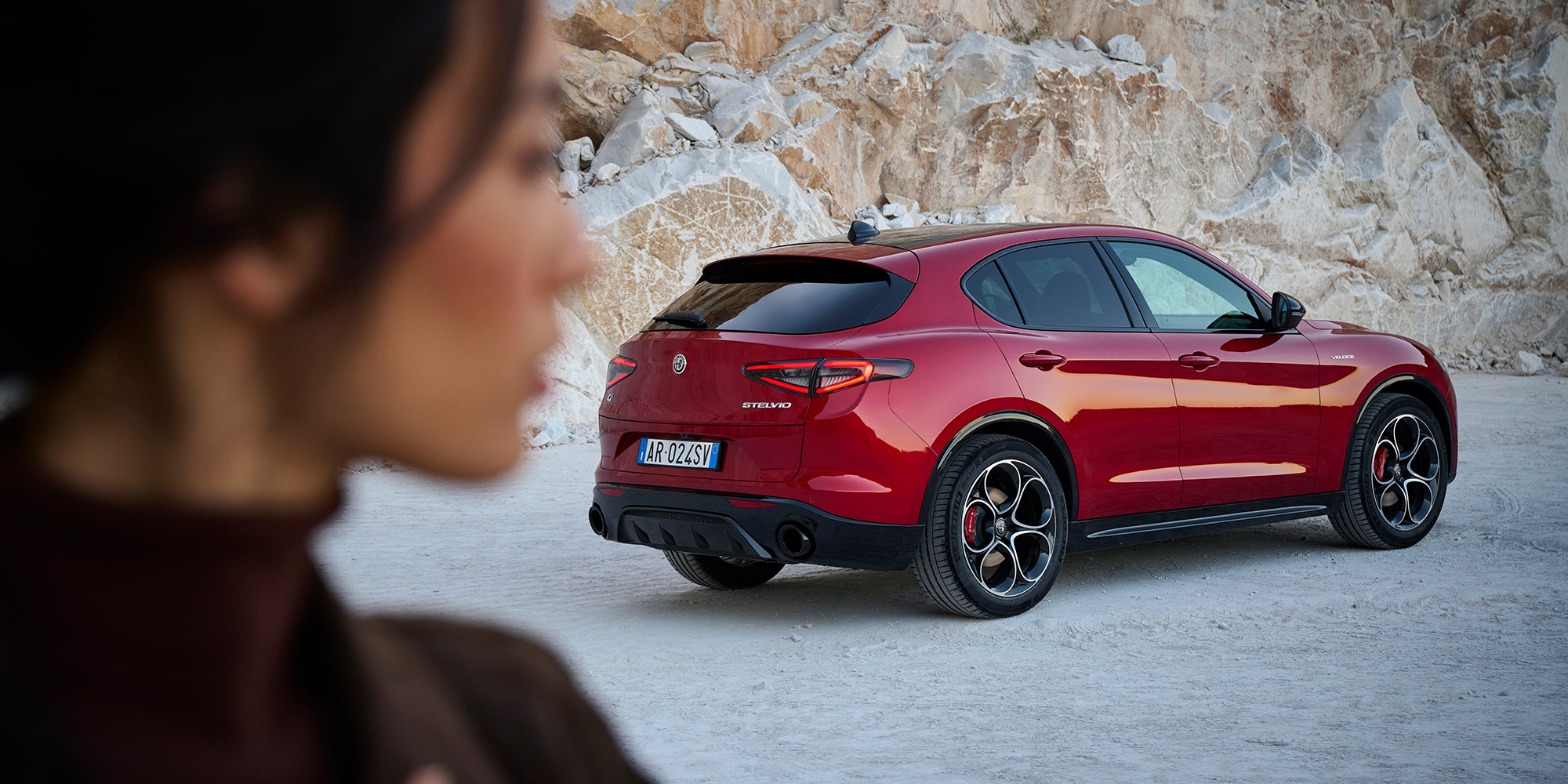
Alfa Romeo’s next Giulia and Stelvio are now less about a grand reveal and more about getting the timing right.
That is not a glamorous story, but it may be the smartest one the brand can tell. The current cars have been extended while Alfa Romeo revises the plan for their replacements, and the shift away from an electric-only future suggests the company has decided that speed without clarity is the wrong kind of ambition.
What the reporting says
The broad picture is fairly consistent. The old cars are staying in production longer. The replacements are delayed. And Alfa Romeo is moving toward a multi-powertrain approach instead of betting everything on one battery-only launch.
That shift matters because Giulia and Stelvio are not just nameplates. They are the cars that still have to carry Alfa Romeo’s performance identity in the real world, not in a slide deck.
Why the delay may help
The obvious danger is that the brand ends up looking slow.
The less obvious possibility is that Alfa avoids launching an awkward compromise. If the next Giulia and Stelvio arrive on the STLA Large platform with better packaging, cleaner software, and a wider powertrain spread, the extra time could be visible in the product rather than just in the timetable.
That would be the right trade: fewer promises, more coherence.
What to watch next
- Whether the replacements keep some internal-combustion flexibility.
- Whether Quadrifoglio stays emotionally sharp instead of just technically busy.
- Whether Alfa Romeo can make the new cars feel like Alfa Romeos, not just Stellantis products with Italian badges.
Bottom line
Alfa Romeo does not need the next Giulia and Stelvio to be the fastest cars in the segment on launch day.
It needs them to feel like they were designed with a clear point of view. If that takes longer, that is frustrating. But it is also honest.